

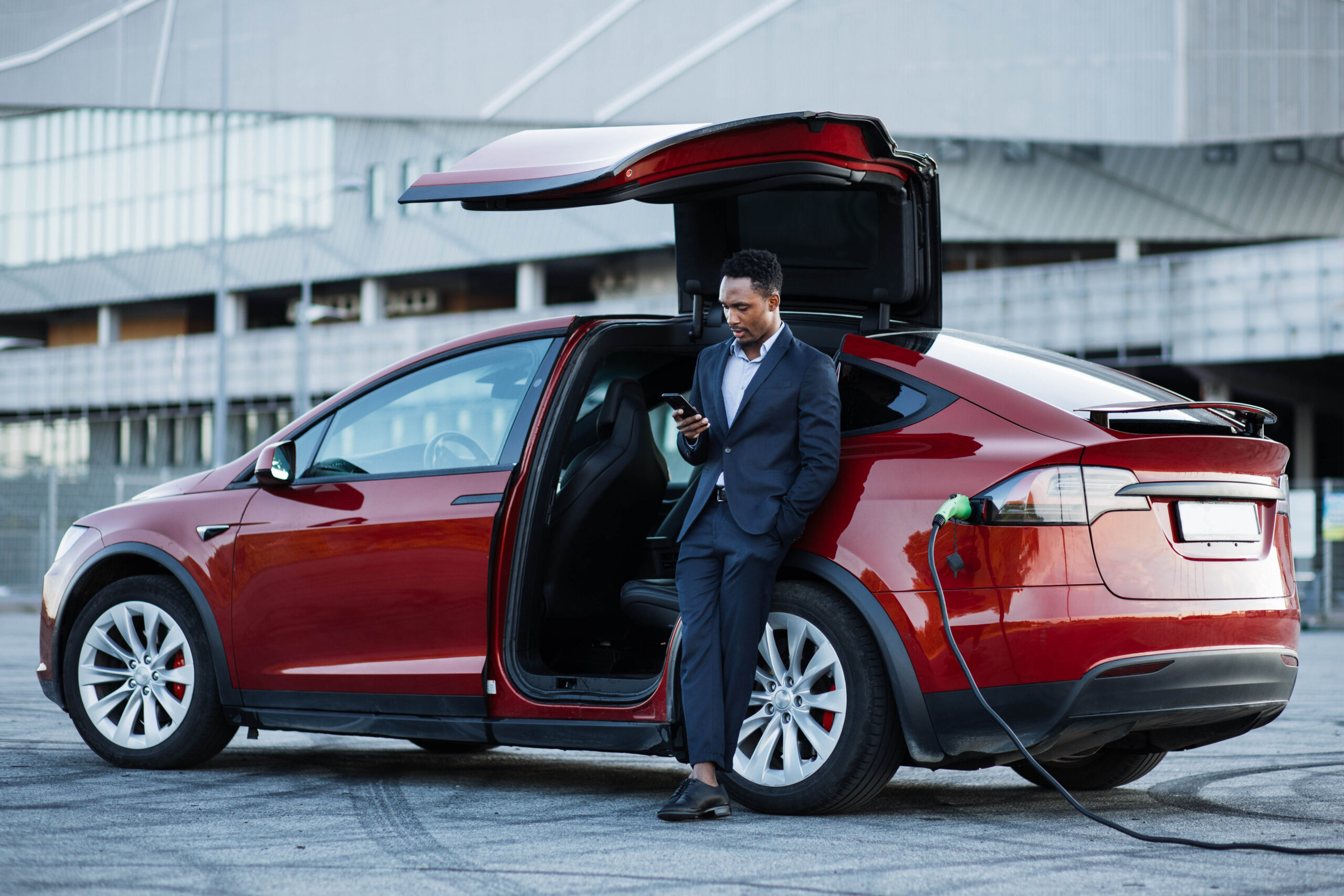
Insuring a luxury or high-value vehicle isn’t just a more expensive version of a standard policy. The way insurers assess risk, calculate value, and handle claims changes significantly once you move into premium territory. If you own—or are considering—an upscale vehicle, understanding these differences can help you avoid gaps in coverage and unexpected costs.
Why Standard Auto Insurance Doesn’t Always Fit
Most traditional auto insurance policies are designed for mass-market vehicles with predictable repair costs and widely available parts. Luxury cars operate outside that model.
High-end vehicles often require specialized parts, trained technicians, and brand-certified repair facilities. Even minor damage can lead to expensive repairs, and that changes how insurers structure coverage.
Standard policies may still apply, but they don’t always account for the nuances of luxury ownership. This is where specialized insurers or enhanced coverage options come into play.
Higher Repair Costs and Their Impact on Premiums
Luxury vehicles are more expensive to repair for several reasons. Parts are often imported, labor requires specialized expertise, and advanced technology—like sensors and driver-assistance systems—can increase repair complexity.
For example, a simple bumper repair on a standard car might cost a few hundred dollars, while the same repair on a luxury vehicle could run into the thousands due to embedded sensors and calibration requirements.
These higher repair costs directly affect your premium. Insurers price policies based on the potential cost of a claim, and luxury vehicles increase that exposure.
Here’s how repair factors compare:
| Factor | Standard Vehicle | Luxury Vehicle |
|---|---|---|
| Parts availability | Widely available | Limited or imported |
| Labor costs | Standard rates | Specialized technicians |
| Technology integration | Moderate | High |
| Repair time | Shorter | Longer |
This difference explains why premiums for luxury vehicles are often significantly higher, even for drivers with clean records.
Agreed Value vs. Actual Cash Value
One of the most important differences in luxury car insurance is how the vehicle’s value is determined.
Standard policies typically use actual cash value (ACV), which factors in depreciation. This means your payout reflects what the car is worth at the time of loss, not what you paid for it.
For high-value vehicles, this approach may not be ideal. Some insurers offer agreed value coverage, where you and the insurer set the vehicle’s value upfront. If the car is totaled, you receive that agreed amount, without depreciation adjustments.
This can be especially important for rare, collectible, or appreciating vehicles, where market value may not follow typical depreciation patterns.
Specialized Coverage Options You Might Need
Luxury vehicle policies often include features that go beyond standard coverage. These options are designed to address the unique risks associated with high-end cars.
Common additions include:
- OEM (original equipment manufacturer) parts coverage
- Coverage for custom modifications or upgrades
- Access to certified repair shops
- Higher liability limits
- Diminished value protection
These features help ensure that repairs maintain the integrity and value of the vehicle. Without them, you might end up with aftermarket parts or repairs that don’t meet manufacturer standards.
The Role of Usage and Storage
How you use and store your luxury vehicle can also influence your insurance. Many high-value cars are not driven daily, which can reduce risk and potentially lower premiums.
Insurers may ask about annual mileage, storage conditions, and whether the vehicle is kept in a secured garage. Some policies are specifically designed for limited-use or collector vehicles, offering lower rates in exchange for usage restrictions.
If your vehicle is primarily for weekend driving or special occasions, you may qualify for these types of policies.
Theft Risk and Advanced Security Features
Luxury vehicles can be attractive targets for theft, but they also often come equipped with advanced security systems. Insurers take both factors into account.
High theft risk can increase premiums, especially for certain models or locations. However, features like GPS tracking, immobilizers, and alarm systems may help offset that risk.
In some cases, insurers require specific security measures for high-value vehicles. Installing approved systems can not only improve protection but also lead to discounts.
Claims Handling: What to Expect
The claims process for luxury vehicles often involves more scrutiny and specialized handling. Insurers may work with approved repair networks to ensure that work is performed to manufacturer standards.
Repair timelines can also be longer due to parts availability and the complexity of the work. While this can be inconvenient, it’s intended to preserve the quality and value of the vehicle.
If your policy includes agreed value coverage, the total loss process may be more straightforward, since the payout amount is already established.
However, if your policy uses ACV, there may be more room for negotiation, especially if the vehicle has unique features or limited market data.
Comparing Standard vs. Luxury Insurance Structures
To better understand the differences, here’s a side-by-side comparison:
| Feature | Standard Policy | Luxury Vehicle Policy |
|---|---|---|
| Valuation method | ACV | ACV or agreed value |
| Repair options | General shops | Certified specialists |
| Parts used | Aftermarket possible | OEM preferred |
| Coverage customization | Limited | Extensive |
| Premium cost | Lower | Higher |
This comparison highlights how luxury policies are designed to protect both the vehicle and its long-term value.
When a Specialty Insurer Makes Sense
While many major insurers offer coverage for luxury vehicles, specialty insurers may provide more tailored options. These companies focus specifically on high-value or collectible cars and often include features that standard policies don’t.
Specialty insurers may offer agreed value coverage, flexible usage terms, and access to expert claims handling. For owners of rare or high-end vehicles, these benefits can outweigh the higher premiums.
Choosing between a standard insurer and a specialty provider depends on your vehicle, how you use it, and how much customization you need in your policy.
Balancing Cost and Protection
Insuring a luxury vehicle is ultimately about balancing cost with the level of protection you need. While premiums are higher, cutting corners on coverage can lead to larger expenses later.
For example, opting out of OEM parts coverage might save money upfront but could affect the quality of repairs. Similarly, relying solely on ACV coverage might leave you undercompensated in a total loss.
Evaluating these trade-offs helps ensure that your policy aligns with the value of your vehicle.
Planning for Long-Term Ownership
Luxury vehicles often come with long-term considerations that standard cars don’t. Maintenance, depreciation, and market demand all play a role in how the vehicle’s value evolves.
Your insurance should reflect these factors. Reviewing your coverage periodically—especially if the vehicle appreciates or undergoes modifications—can help keep your policy aligned with its true value.
This is particularly important for collectible or limited-production models, where market conditions can change quickly.
Protecting More Than Just the Car
A high-value vehicle is more than just transportation—it’s an investment, a lifestyle choice, and sometimes a collector’s item. Insurance for these vehicles is designed to reflect that reality.
By understanding how luxury car insurance differs from standard policies, you can make more informed decisions about coverage, providers, and long-term protection. The goal isn’t just to meet minimum requirements—it’s to ensure that your policy truly matches the value and complexity of what you’re driving.