

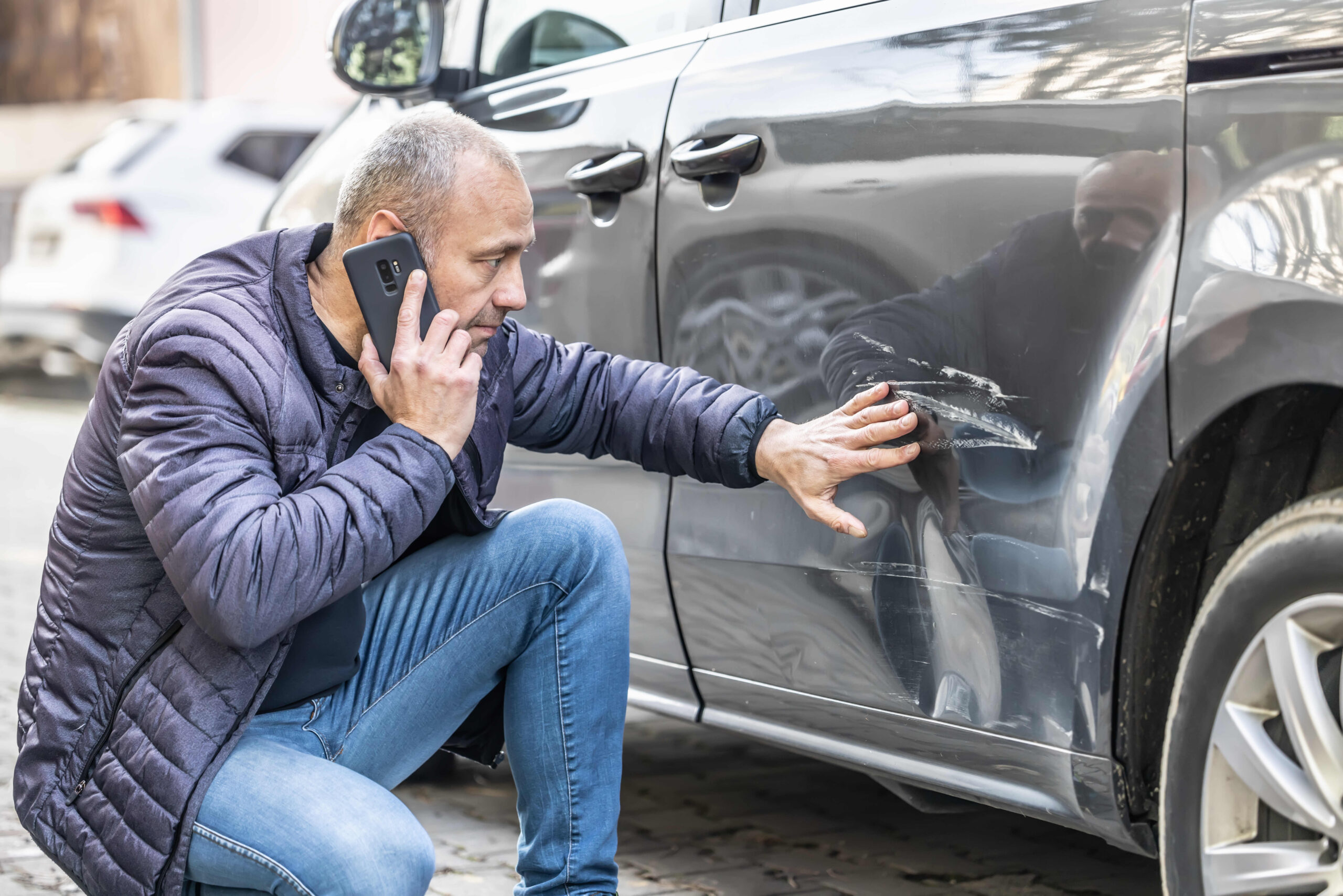
A hit-and-run accident is one of the most stressful situations a driver can experience. In seconds, you’re left dealing with damage, possible injuries, and a driver who vanished instead of taking responsibility. Beyond the emotional shock, there’s immediate confusion about what to do next and how insurance fits into the picture. Knowing how to respond—and which coverages actually apply—can make a significant difference in how smoothly things unfold.
Why Hit-and-Run Accidents Are So Complicated
Hit-and-run crashes create a unique insurance problem because the at-fault driver is unknown. In a standard accident, the other driver’s liability insurance pays for damages. In a hit-and-run, that source of payment may not exist at all.
This shifts the focus entirely to your own policy. The type of coverage you carry determines whether repairs, medical bills, and other losses are covered—or whether you’re paying out of pocket. That’s why preparation and quick action matter more in hit-and-run situations than in almost any other type of accident.
First Things First: Safety and Immediate Priorities
Right after a hit-and-run, safety comes before insurance. If you or anyone else is injured, call emergency services immediately. Even minor injuries should be checked, as adrenaline can mask symptoms.
If it’s safe to do so, move your vehicle out of traffic and turn on hazard lights. Staying visible and avoiding secondary accidents is critical, especially on busy roads or at night.
Once you’re safe, documenting what happened becomes the priority. The more information you gather early, the stronger your insurance claim will be later.
What Information Still Matters When the Driver Is Gone
Even when the other driver flees, details matter. Any description of the vehicle, direction of travel, or partial license plate information can help law enforcement and insurers.
Photos are especially valuable. Damage to your car, debris left behind, skid marks, and the surrounding area can all support your claim. If there were witnesses, their statements and contact information can also strengthen your case.
This documentation helps establish that the accident was a hit-and-run and not a single-vehicle incident, which can affect how coverage applies.
Reporting the Accident: Why It’s Not Optional
Filing a police report is one of the most important steps after a hit-and-run. Many insurance companies require an official report before certain coverages, especially uninsured motorist coverage, will apply.
Even if the damage seems minor, reporting creates a formal record that protects you later. Delays or failure to report can complicate claims and, in some cases, lead to denial.
Insurance companies rely heavily on documentation. A police report adds credibility and clarity to your version of events.
A Clear Post-Incident Checklist
After ensuring safety and contacting law enforcement, the following steps help keep the situation under control and protect your insurance claim:
Seek medical evaluation, even if injuries seem minor
Take photos and videos of the scene and vehicle damage
Collect witness contact information if available
File a police report as soon as possible
Notify your insurance company promptly
Keep copies of all reports, bills, and correspondence
This sequence helps prevent missed deadlines and ensures coverage options remain available.
How Collision Coverage Applies After a Hit-and-Run
Collision coverage is often the most straightforward option for vehicle repairs after a hit-and-run. It pays for damage to your car regardless of who caused the accident.
If you carry collision coverage, your insurer typically covers repairs minus your deductible. This applies whether the at-fault driver is identified or not. For many drivers, collision coverage is the fastest way to get their vehicle repaired.
However, deductibles matter. If you have a high deductible, you’ll need to weigh repair costs against out-of-pocket expenses.
The Role of Uninsured Motorist Coverage
Uninsured motorist coverage is especially important in hit-and-run accidents. When the at-fault driver can’t be identified, they’re legally treated as uninsured in many states.
Uninsured motorist bodily injury coverage can help pay for medical bills, lost wages, and sometimes pain and suffering. In some states, uninsured motorist property damage coverage may also apply to vehicle repairs.
This coverage can fill critical gaps that collision and health insurance don’t fully address, particularly for injuries.
When Comprehensive Coverage Comes Into Play
Comprehensive coverage typically does not apply to hit-and-run collisions involving another vehicle. It’s designed for non-collision incidents such as theft, vandalism, weather damage, or animal strikes.
However, there are edge cases. If a hit-and-run involves vandalism to a parked car, comprehensive coverage may apply. Understanding the distinction matters because deductibles and claim handling differ between coverage types.
Assuming comprehensive will cover all non-identified damage is a common mistake.
Medical Bills and Health Insurance Interaction
If you’re injured, medical expenses become the most urgent concern. Health insurance often covers treatment, but deductibles and copays still apply. Some auto policies include medical payments coverage or personal injury protection, depending on the state.
Uninsured motorist bodily injury coverage can supplement these options, helping cover costs health insurance doesn’t, including lost income during recovery.
Coordinating these coverages can be complex, which is why documenting injuries early and communicating clearly with insurers is essential.
Why Timing Matters With Insurance Claims
Insurance policies include reporting deadlines. Waiting too long to notify your insurer can delay repairs, complicate investigations, or even jeopardize coverage.
Prompt reporting allows the insurer to guide you through next steps, request documentation, and confirm which coverages apply. It also helps protect you if questions arise later about fault or timing.
In hit-and-run cases, speed and clarity often work in your favor.
What Happens If the Driver Is Later Found
If law enforcement identifies the hit-and-run driver later, the insurance process may shift. Their liability insurance could become responsible for damages, potentially allowing you to recover deductibles or expenses paid under your own policy.
Your insurer may pursue reimbursement through subrogation. While this doesn’t always change your immediate outcome, it can reduce long-term costs and restore claim-related expenses.
This possibility is another reason why thorough documentation and reporting matter.
Common Mistakes That Create Claim Problems
One of the biggest mistakes drivers make is assuming nothing can be done if the other driver fled. In reality, coverage often exists—but only if procedures are followed.
Other mistakes include failing to file a police report, delaying medical care, or assuming “full coverage” automatically applies. These missteps can weaken claims and limit available benefits.
Understanding your policy before an accident happens is the best way to avoid these issues.
How Coverage Choices Shape Outcomes
Hit-and-run accidents expose gaps in coverage quickly. Drivers without collision or uninsured motorist coverage often face higher out-of-pocket costs, even when they did nothing wrong.
This is why reviewing your policy proactively matters. Knowing which coverages apply and what deductibles you carry helps you respond calmly instead of scrambling under pressure.
Insurance works best when it’s understood before it’s needed.
Turning a Stressful Event Into a Managed Process
A hit-and-run accident is disruptive, frustrating, and often unfair. But it doesn’t have to spiral into a financial disaster. Clear steps, timely reporting, and the right coverage can turn a chaotic moment into a manageable process.
The key is preparation. Understanding how insurance responds to hit-and-run accidents allows you to focus on recovery instead of uncertainty. When the unexpected happens, having a plan—and the right protection—makes all the difference.
Sources
Insurance Information Institute
National Association of Insurance Commissioners (NAIC)
Federal Highway Administration (FHWA)
National Highway Traffic Safety Administration (NHTSA)