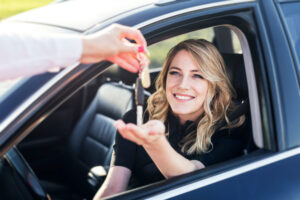


Handing your car keys to a friend or family member usually feels harmless. Maybe they need to run a quick errand, borrow your car for the weekend, or drive home after dinner. Most people assume that if something goes wrong, insurance will sort it out. Sometimes that’s true. Other times, lending your car can expose you to far more risk than expected.
Understanding how auto insurance works when someone else is behind the wheel can help you avoid coverage gaps, denied claims, and uncomfortable financial surprises.
Why Lending Your Car Is an Insurance Decision, Not Just a Favor
Auto insurance generally follows the car, not the driver. That means when someone else drives your vehicle, your insurance is typically the first line of coverage if there’s an accident. Many drivers don’t realize this until they’re dealing with a claim they didn’t personally cause.
From an insurer’s perspective, lending your car isn’t casual. It’s a risk decision. Who you lend it to, how often you do it, and whether the driver is listed on your policy all influence how a claim is handled.
Permissive Use: The Rule That Usually Applies
Most standard auto insurance policies include something called permissive use. This means your insurance may cover someone else driving your car if you gave them permission and they don’t regularly use the vehicle.
Under permissive use, your liability, collision, and comprehensive coverages typically apply if your friend causes an accident. However, this protection isn’t unlimited, and it comes with conditions that matter more than most people realize.
Permissive use is designed for occasional situations, not ongoing arrangements. That distinction often determines whether a claim is covered smoothly or becomes complicated.
When Permissive Use Can Break Down
Permissive use does not automatically apply in every situation. Insurance companies look closely at the circumstances, especially when accidents involve borrowed vehicles.
Coverage may be limited or denied if the driver:
Lives with you and isn’t listed on your policy
Regularly uses your car but isn’t disclosed to your insurer
Was explicitly excluded from your policy
Used the vehicle for commercial or rideshare purposes
These scenarios raise red flags because they increase risk beyond what the insurer agreed to cover. What feels like a small favor can look like undisclosed risk from an underwriting standpoint.
Who Pays First When Your Friend Causes an Accident
In most cases, your insurance pays first. If damages exceed your policy limits, your friend’s auto insurance may act as secondary coverage, assuming they carry their own policy.
This is where many drivers are surprised. Even though your friend caused the accident, your liability limits are on the line first. If those limits are too low, you could face financial exposure, especially if injuries are involved.
This structure is one reason insurers encourage policyholders to carry higher liability limits than state minimums.
Liability Claims: The Biggest Risk for Car Owners
Liability claims are often the most financially dangerous part of lending your car. If your friend injures someone or damages property, your liability coverage applies first.
If damages exceed your limits, you—not your friend—could be named in a lawsuit simply because you own the vehicle. Even if you weren’t present, ownership creates responsibility.
While insurance may defend you up to policy limits, anything beyond that could become a personal financial issue.
What Happens to Your Premiums After the Accident
If your insurance pays a claim, it can affect your rates, even though you weren’t driving. Insurers generally tie claims to the policy, not the person behind the wheel.
A claim caused by a friend may still show up on your record, potentially increasing premiums at renewal. Some insurers may also reassess risk if they believe lending your car is a recurring behavior.
This doesn’t mean every claim leads to higher rates, but the possibility is real and often overlooked.
Collision Coverage and Damage to Your Car
If your friend damages your car in an accident, collision coverage typically pays for repairs, minus your deductible. That deductible comes out of your pocket, not theirs, unless you arrange repayment privately.
If you don’t carry collision coverage, repairs may not be covered at all, even if your friend was at fault. In that case, you may need to rely on their insurance or personal funds, which can strain relationships quickly.
Understanding who pays for physical damage before lending your car helps prevent awkward conversations later.
What If Your Friend Has No Insurance?
If your friend doesn’t carry auto insurance, your policy may still cover the accident under permissive use, but the risk doesn’t disappear.
Your liability limits still apply, and there’s no secondary policy to step in if costs exceed those limits. In serious accidents, this can significantly increase your exposure.
This scenario is one of the strongest arguments for carrying adequate coverage and being selective about who drives your vehicle.
Excluded Drivers: A Hard Stop for Coverage
Some policies include named driver exclusions. If your friend is listed as an excluded driver and causes an accident, coverage is usually denied outright.
This means your insurer may refuse to pay for damages, injuries, or repairs. In that case, you could be personally responsible for all costs.
Driver exclusions are legally binding and leave little room for flexibility. Lending your car to an excluded driver is one of the riskiest insurance decisions you can make.
Borrowed Cars and Commercial Use Issues
Coverage can also fall apart if your friend uses your car for a purpose your policy doesn’t allow. This often includes rideshare driving, food delivery, or other commercial activities.
If your friend borrows your car to drive for a delivery app and gets into an accident, your personal auto policy may deny the claim. Commercial use typically requires special endorsements or separate coverage.
Purpose matters just as much as permission.
What to Do Immediately If an Accident Happens
If your friend gets into an accident while driving your car, the steps you take next matter. Even though you weren’t present, your policy is involved.
Prompt reporting, accurate details, and cooperation with your insurer help protect your coverage. Delays or inconsistencies can complicate claims and raise questions about permissive use.
It’s also wise to request a copy of the police report and document damage as soon as possible.
How to Protect Yourself Before Lending Your Car
The best time to manage risk is before handing over the keys. Lending your car doesn’t have to be dangerous, but it should be intentional.
Ask whether the driver has a valid license and active insurance. Consider how often they’ll use the car and whether that usage should be disclosed to your insurer. Review your liability limits and deductibles so you understand your exposure.
A quick conversation now can prevent months of stress later.
Why Policy Reviews Matter More Than You Think
Many drivers don’t realize how their policies handle permissive use until something goes wrong. Reviewing your policy annually helps identify gaps before they turn into claims problems.
Coverage limits, excluded drivers, and usage assumptions all deserve attention, especially if your household or driving habits have changed.
Insurance works best when it reflects reality, not assumptions.
Lending Your Car Isn’t Always a Simple Yes or No
There’s no rule that says you should never lend your car. But doing so without understanding the insurance consequences is a gamble.
Every time someone else drives your vehicle, you’re sharing responsibility, not just convenience. Knowing how your policy responds allows you to make informed decisions instead of reactive ones.
When it comes to auto insurance, small favors can carry big consequences. A little clarity upfront can protect your finances, your policy, and your peace of mind.
Sources
Insurance Information Institute
National Association of Insurance Commissioners (NAIC)
Consumer Federation of America
Federal Highway Administration (FHWA)